

 Ελληνικά

Salicylic acid
€ 4,50
Salicylic acid is an organic acid naturally present in willow (Salix alba) bark. It belongs to the BHA (beta-hydroxy acid) family. Salicylic acid is widely used in the cosmetics industry for its exfoliating and antiseptic properties. It is recommended by dermatologists in the treatment of acne and warts. It is found in some anti-dandruff products. It is also used as a preservative, to protect formulas against the growth of micro-organisms
It is used as a preservative in combination with sodium benzoate, in some haircare products for its anti-dandruff properties, in “anti-acne” skincare products for its exfoliating and keratolytic properties and in skincare products in order to help in reducing blemishes in acne-prone skin.
In light of the data provided and taking under consideration the conclusions of the The Scientific Committee on Consumer Safety (SCCS)’s final opinion on salicylic acid for adults and for children it is necessary to take care of the recommended dosage as mentioned above
Salicylic acid is an organic acid naturally present in willow bark. It belongs to the BHA (beta-hydroxy acid) family.
Beta Hydroxy Acids (BHAs) are oil-soluble chemical exfoliants, with salicylic acid being the most common, that penetrate deep into pores to dissolve excess oil and dead skin cells. Their ability to get inside the pores makes them effective for treating acne, blackheads, and whiteheads, and they are particularly well-suited for oily and acne-prone skin types. BHAs gently exfoliate the skin, promoting cell turnover, smoothing texture, and brightening the complexion.
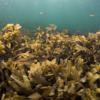
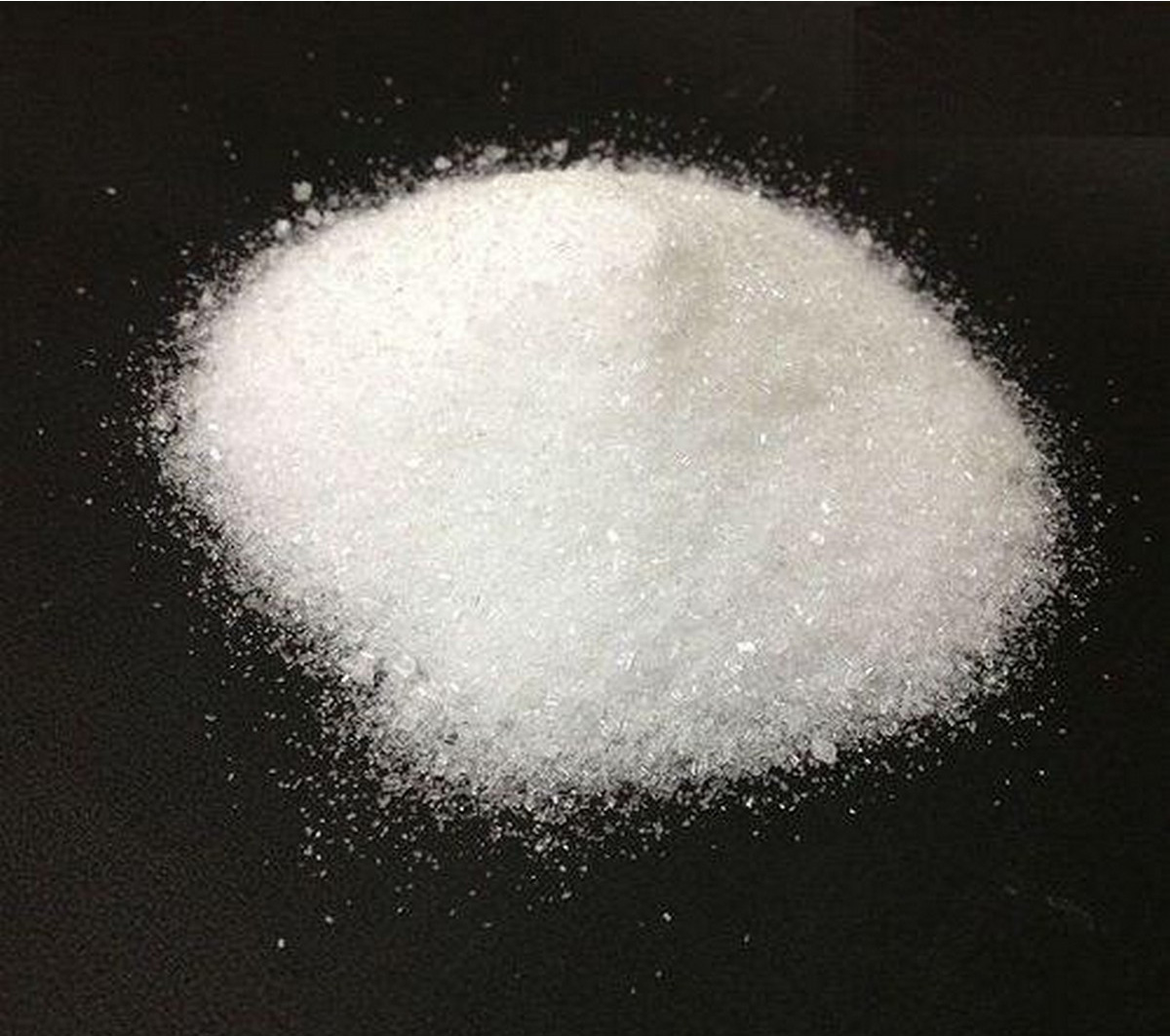
Salicylic acid is a colourless crystalline solid. It is a chemical molecule produced in the plant world. It is naturally present in several plants, in particular meadowsweet and willow, a tree known since ancient times, in particular for its anti-inflammatory properties.
Salicylic acid was first extracted in 1829 by a French pharmacist, Pierre-Joseph Leroux. Salicylic acid is widely used in the cosmetics industry for its exfoliating and antiseptic properties. It is recommended by dermatologists in the treatment of acne and warts. It is found in some anti-dandruff products. It is also used as a preservative, to protect formulas against the growth of micro-organisms
Uses
- as a preservative in combination with sodium benzoate in our skin and haircare products (e.g. shower gels and shampoos). It is one of the few preservatives authorised by organic labels.
- in some haircare products for its anti-dandruff properties.
- in skincare products, especially in “anti-acne” skincare for its exfoliating and keratolytic properties (removing dead cells from the surface of the skin). Its exfoliating action helps renew skin cells.
- in skincare products helps to reduce blemishes in acne-prone skin.
We optimise the concentration of salicylic acid in our formulas to limit skin dryness. When first used, it is not uncommon to feel a slight tingling sensation, and the skin may peel, redden or dry out. This is perfectly normal, although it may be helpful to reduce the treatment frequency during the first applications, to give the skin time to adapt.
The Scientific Committee on Consumer Safety (SCCS)’s final opinion on salicylic acid (issued in May 2025) deems it safe for consumer use as below:
| Product category | Adults (SCCS) | for children 3-10 years (SCCS/1675/25) | Comments |
| Rinse-off (eg. shampoo, conditioner, shower gel) | 3,0 % | 0,5 % (proposed safe) | |
| Leave-on (eg. face creams, handcreams, eyeshadow, mascara, lipstick, roll-on deodorants) | 2,0 % | 0,15 % (proposed safe) | |
| Body lotion | 0,5 % | 0,5 % ➝safe only when used in single dermal and oral product category, when used only in the respective product category | |
| Oral care (toothpaste, mouth wash) | 0,5 % | 0,1 % (proposed safe) | |
| Sprayable products (aerosols, sprays) | –exclusion | exclusion | unsafe due to the risk of inhalation |
Limits of use as a preservative
| Product category | Adults (as preservative) | for children 3-10 years (SCCS/1675/25) | Comments |
| All Cosmetic Products (in general) | up to 0,5 % | not safe as a preservative when used with other products | possibly safe only in single use in one category (except body lotion) |
| Body lotion | up to 0,5 % | not safe as a preservative when used with other products | single use possibly safe, but in combination with other products➝ non safe |
| Sprayable products (aerosols, sprays) | exclusion | exclusion | unsafe due to the risk of inhalation |
| Weight | N/A |
|---|---|
| Net weight |
Brand
Novacyl Sas
Only logged in customers who have purchased this product may leave a review.
Related products


Reviews
There are no reviews yet.