

 Ελληνικά
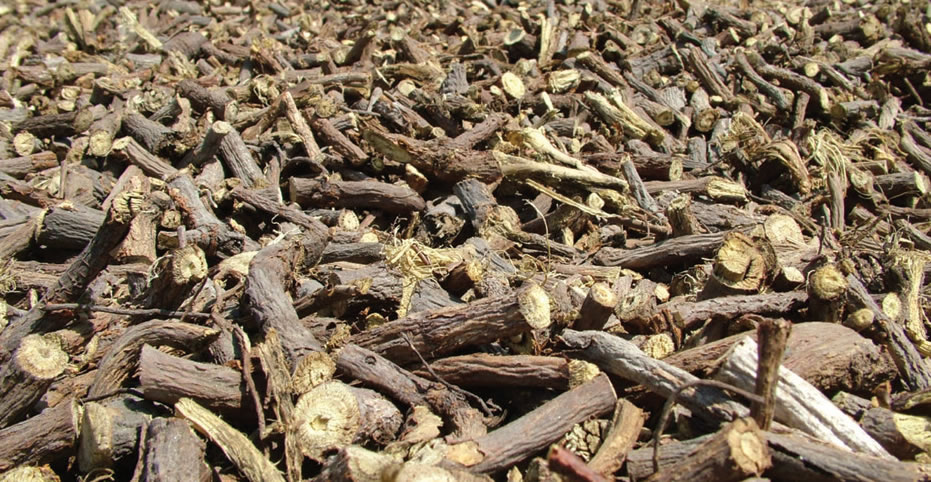
Licorice (Glycyrrhiza) hydroglycerin root extract
Price range: € 6,00 through € 9,00
📎 Attachments: CoA (Certificate of Analysis)
INCI: Glycyrrhiza Glabra
- The licorice plant serves many purposes in skin care. The ingredient that is responsible for the skin whitening aspect of the plant is known as glabridin.
- Glabridin inhibits pigmentation by preventing tyrosinase activation. Studies have shown that it can provide a considerable skin brightening effect while remaining non-toxic to the melanin forming cells. Glabridin is found in very small traces and therefore it is important to ensure that the correct part of the licorice plant is used.
- Licorice’s anti-inflammatory properties (due to inhibition of superoxide anion production and cyclooxygenase activity) also make it a very popular ingredient in the skin care industry.
- In cosmetics and personal care products, Licorice-derived ingredients are used in the formulation of eye makeup, other makeup products, hair care products and skin care products.
Key Components and Categories:
- Triterpenoid Saponins: The most significant component is glycyrrhizin, a triterpenoid saponin that is responsible for the sweet taste of licorice and provides many of its pharmacological properties, including anti-inflammatory and antiviral effects.
- Glycyrrhizin: A mixture of potassium, ammonium, and calcium salts of glycyrrhizic acid, and the primary sweetening agent.
- Glycyrrhetinic Acid: The aglycone (non-sugar portion) of glycyrrhizin, formed by hydrolysis.
- Flavonoids:
- Liquiritin and Isoflavanoids: Compounds like liquiritigenin, isoliquiritigenin, and glabridin that contribute to the color and antioxidant activity of licorice.
These are a large group of phenolic compounds, including:
- Isoflavones: glabridin is a major isoflavone found in licorice.
- Flavanones: such as liquiritigenin.
- Chalcones: like isoliquiritigenin.
- Other Flavonoid Derivatives: Including compounds like licuraside.
- Liquiritin and Isoflavanoids: Compounds like liquiritigenin, isoliquiritigenin, and glabridin that contribute to the color and antioxidant activity of licorice.
- Polysaccharides: A water-soluble complex found in licorice root.
- Sugars: Including glucose and sucrose.
- Starches: A significant component of licorice root.
- Amino Acids: Such as asparagine, betaine, and choline.
- Coumarins: Other plant-derived compounds found in licorice.
- Essential oils
- contains smaller volatile compounds like geraniol, hexanol, and α-terpineol
- Resins
- Mineral salts
- potassium, calcium, and magnesium.
Benefits: This extract is valued in skincare for its anti-inflammatory, antioxidant, and skin-brightening properties, which can soothe redness, reduce pigmentation, and protect the skin from damage.
- Soothing and Anti-inflammatory: Helps calm irritation and redness in sensitive skin.
- Brightening: Contains compounds like glabridin that act as a skin-whitening agent, helping to fade dark spots and even out complexion. The ingredient that is responsible for the skin whitening aspect of the plant is known as glabridin. Glabridin inhibits pigmentation by preventing tyrosinase activation. Studies have shown that it can provide a considerable skin brightening effect while remaining non-toxic to the melanin forming cells. Glabridin is found in very small traces and therefore it is important to ensure that the correct part of the licorice plant is used.
- Antioxidant: Protects skin from oxidative stress.
Applications:
Used in topical skincare products for sensitive, irritated, or uneven skin.
Only logged in customers who have purchased this product may leave a review.
Related products

Price range: € 8,00 through € 37,00

Price range: € 6,00 through € 9,00

Price range: € 3,50 through € 5,50

Price range: € 5,50 through € 8,50

Price range: € 16,00 through € 135,00

Price range: € 32,00 through € 1.100,00

Price range: € 12,00 through € 16,00

Price range: € 13,50 through € 38,50


Reviews
There are no reviews yet.